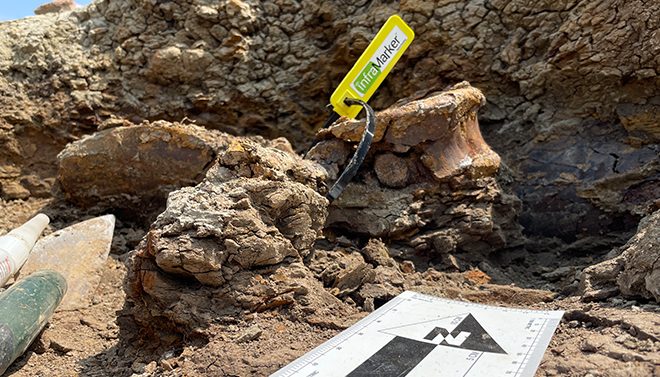

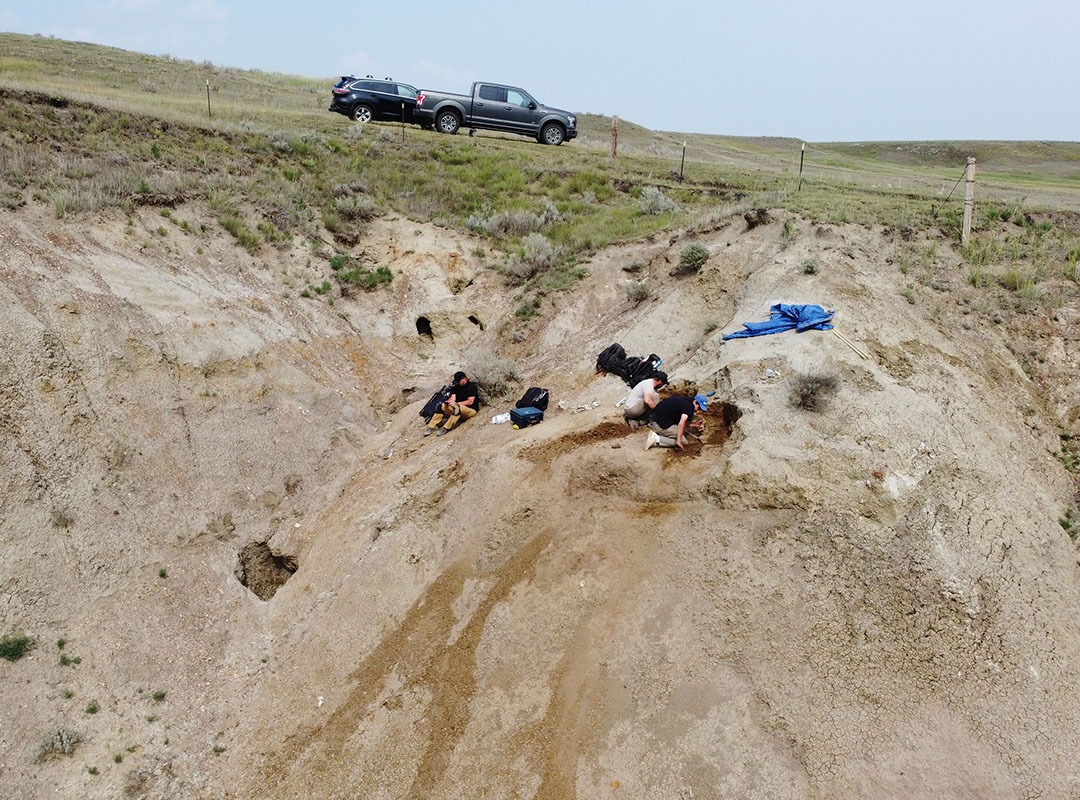
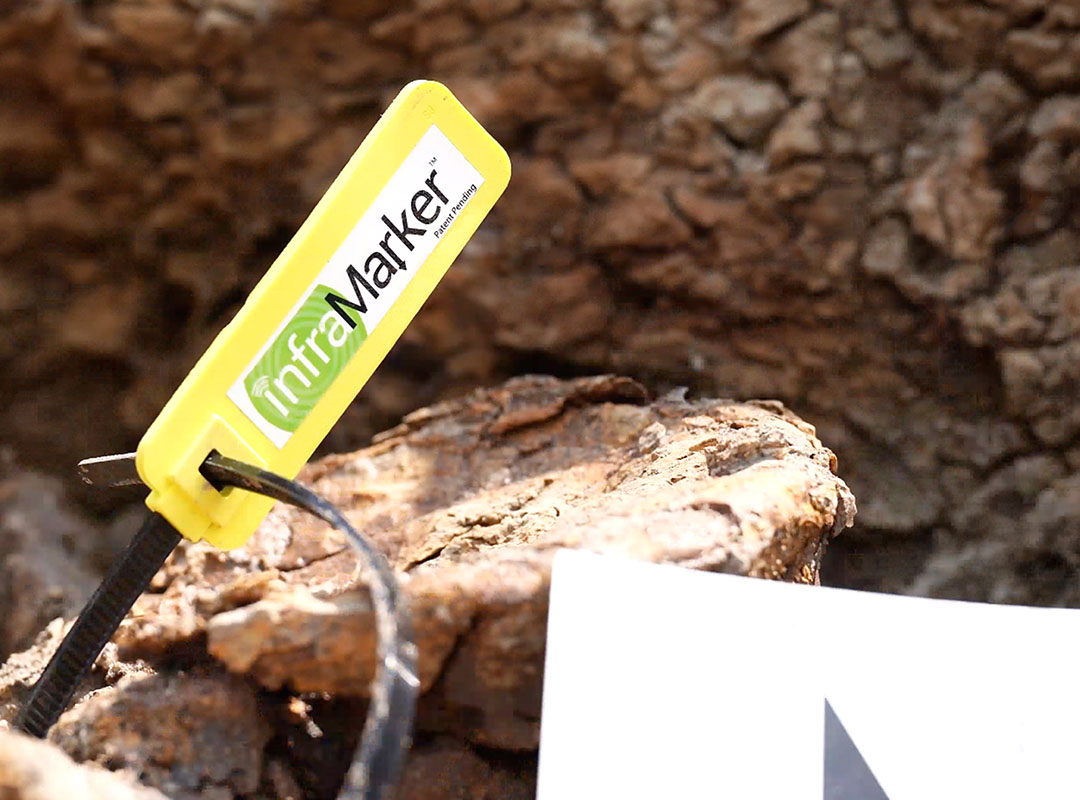
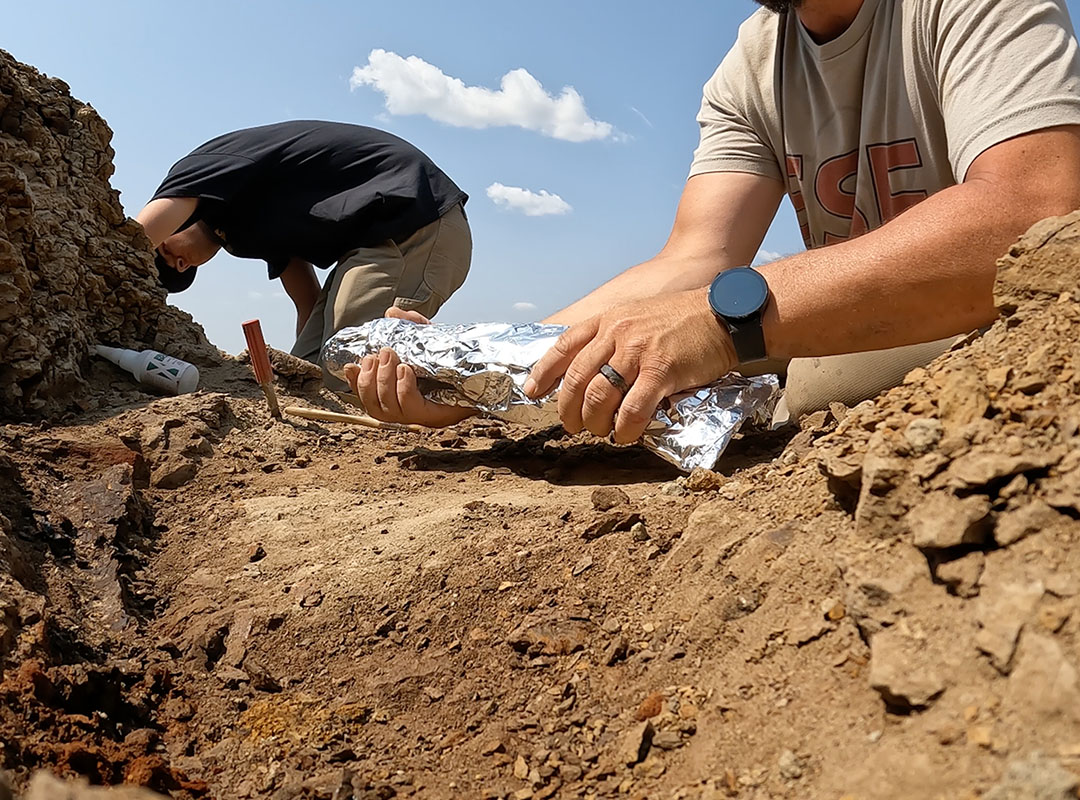
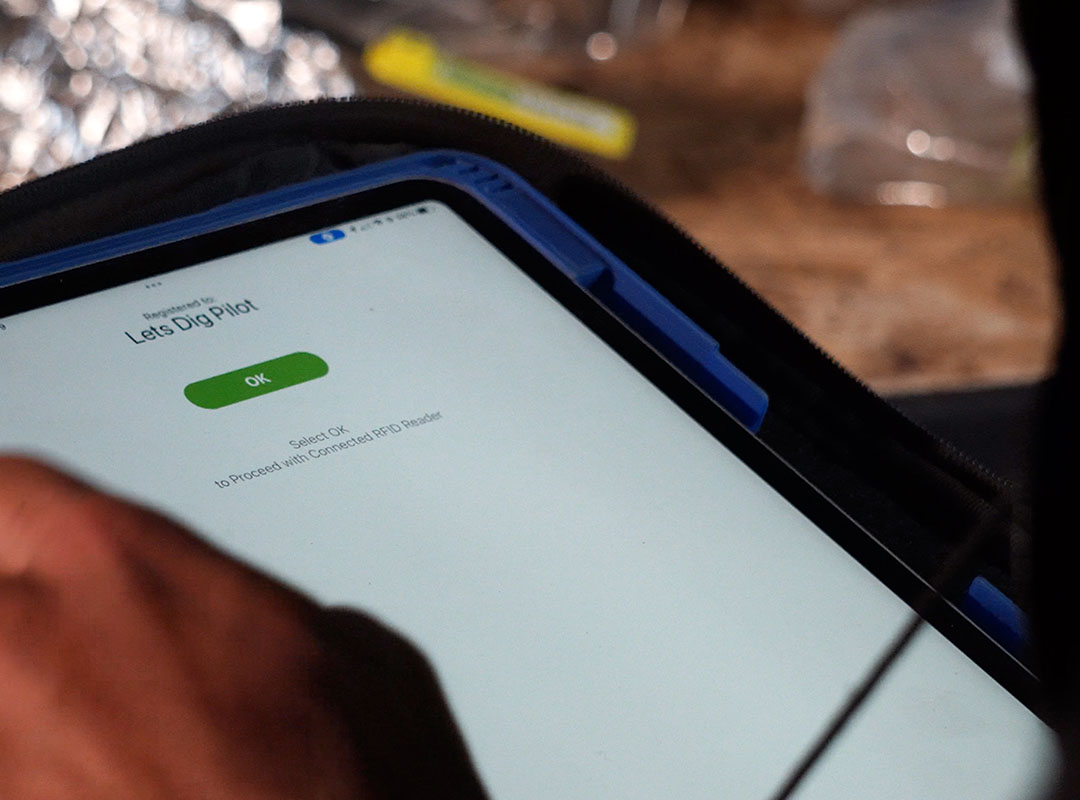
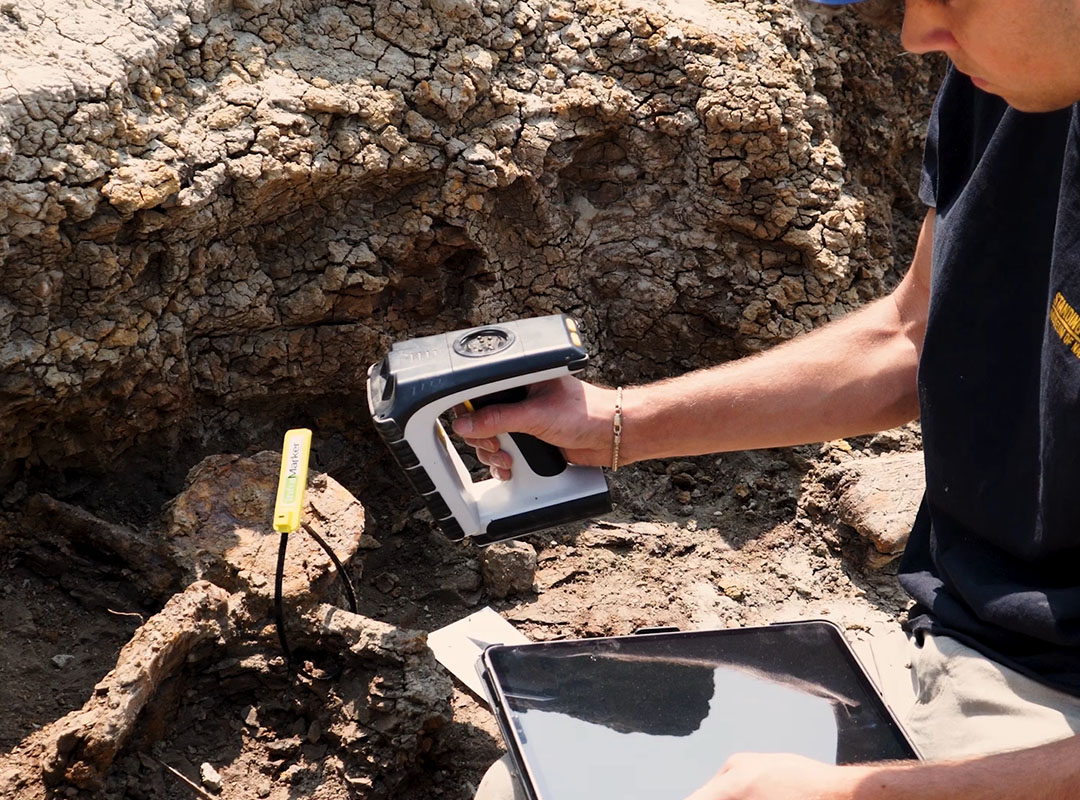
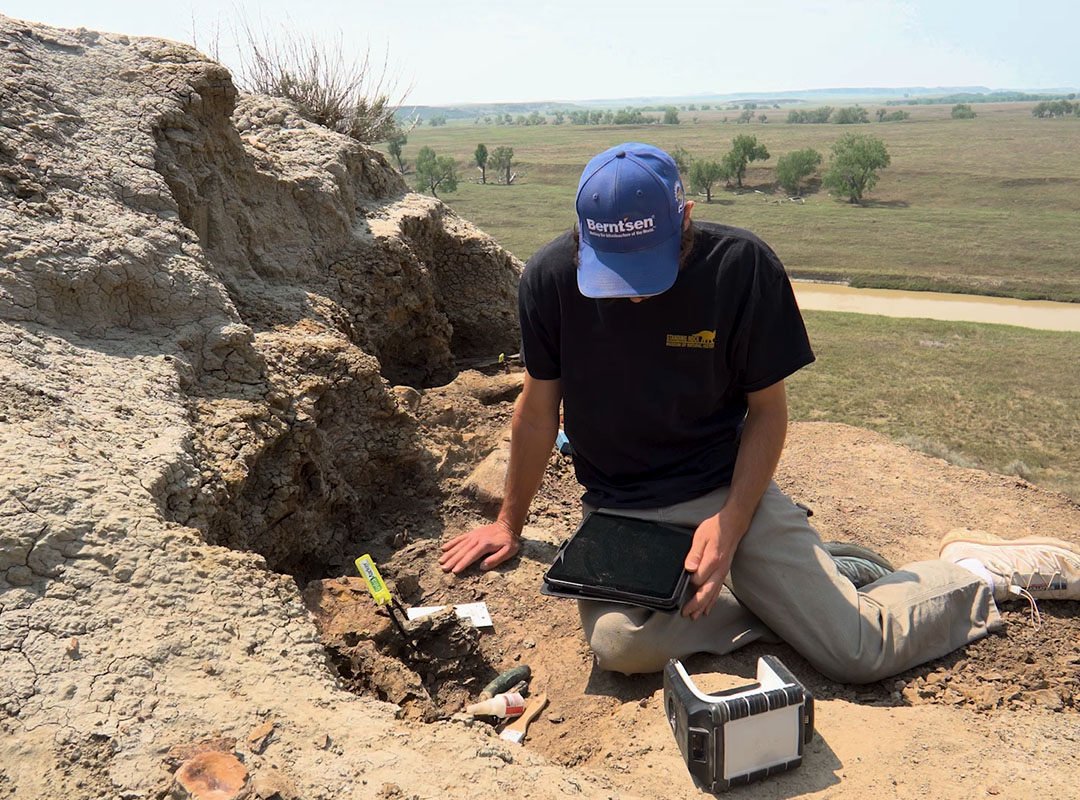
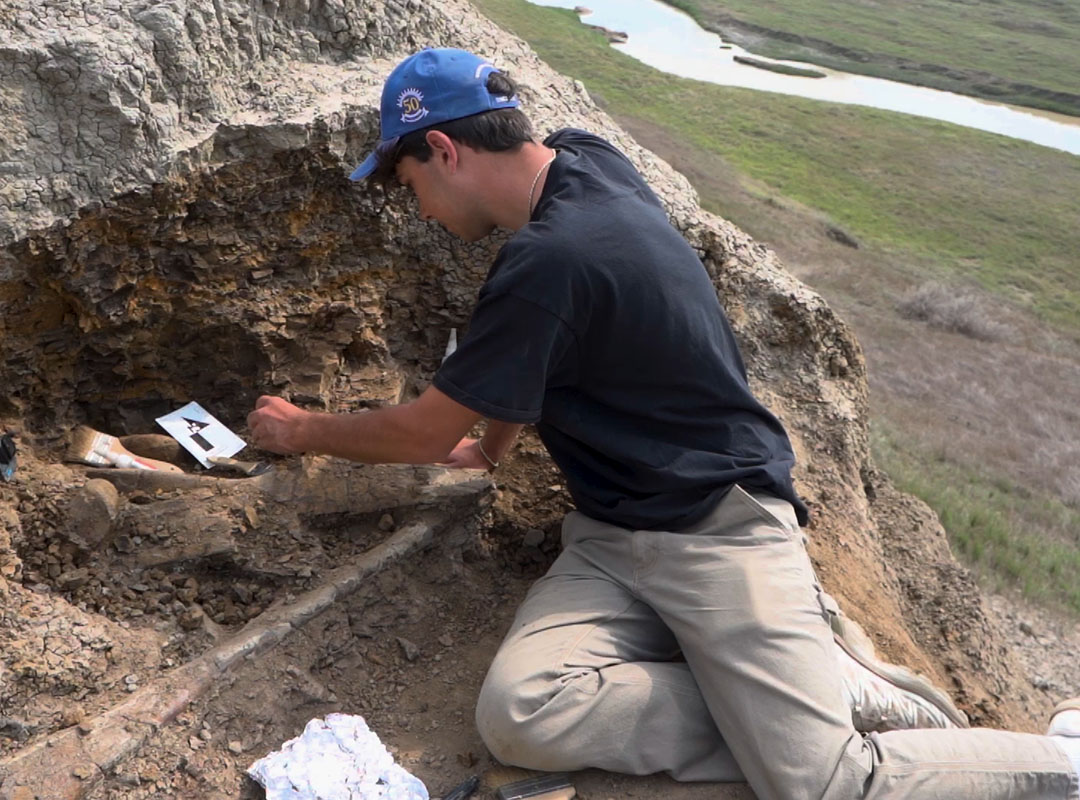
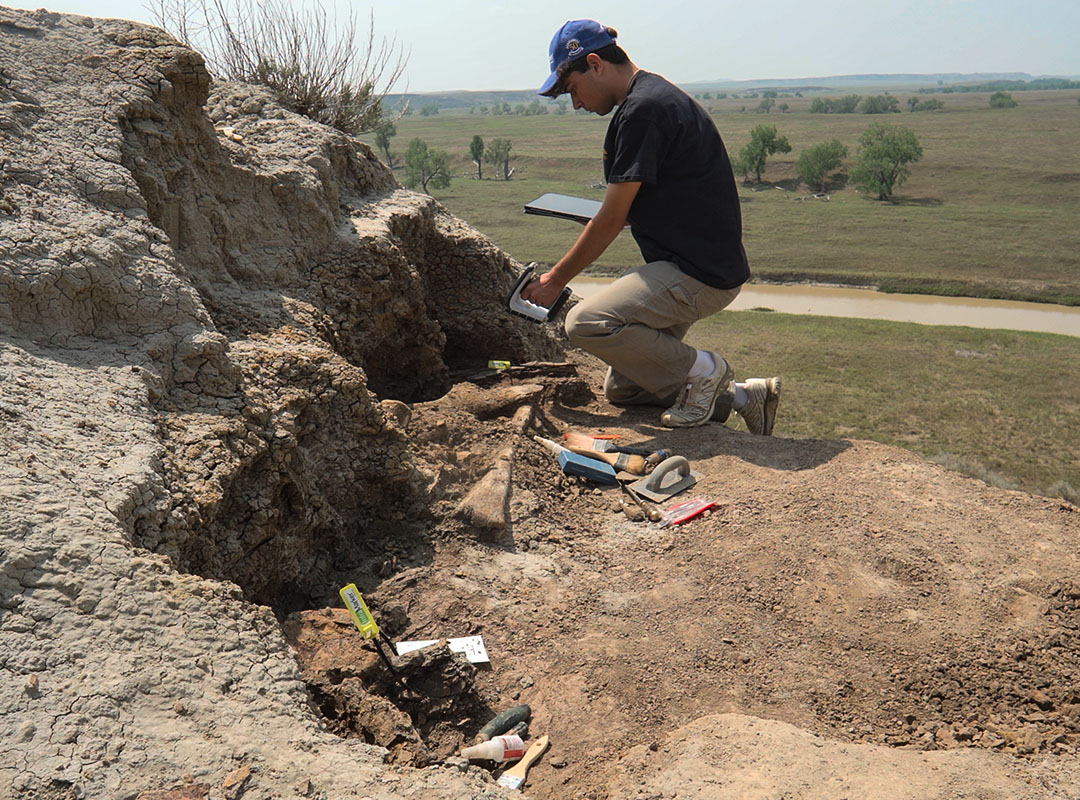
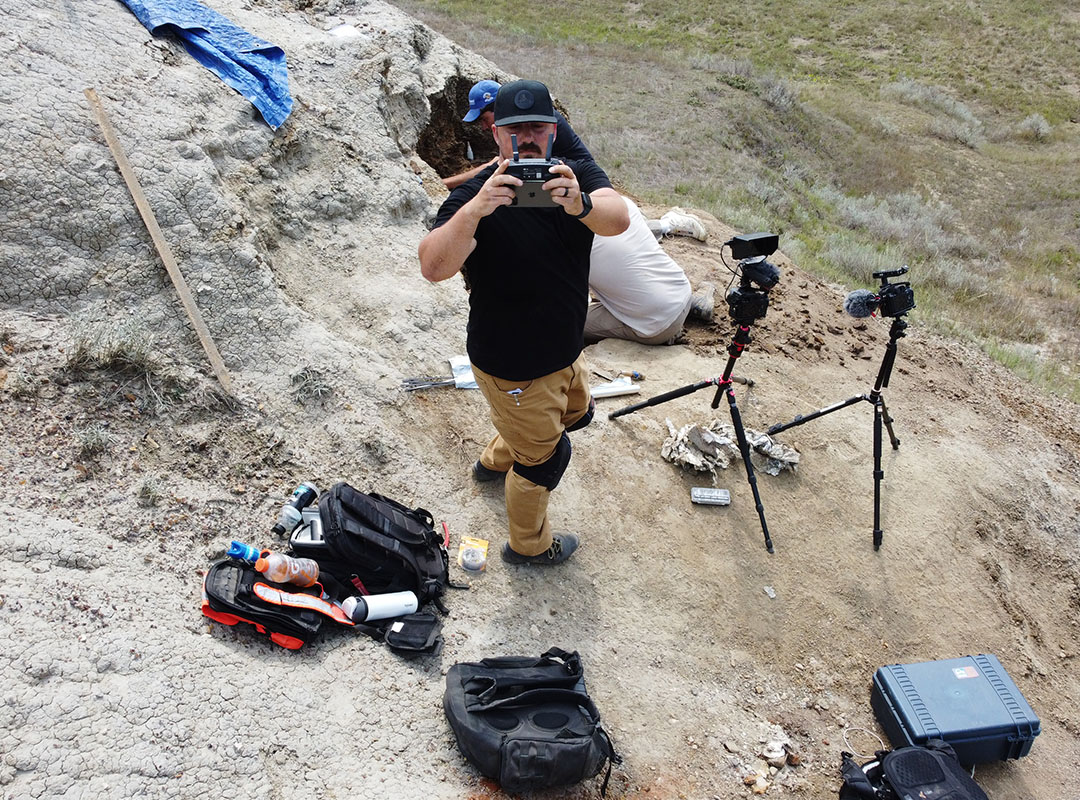
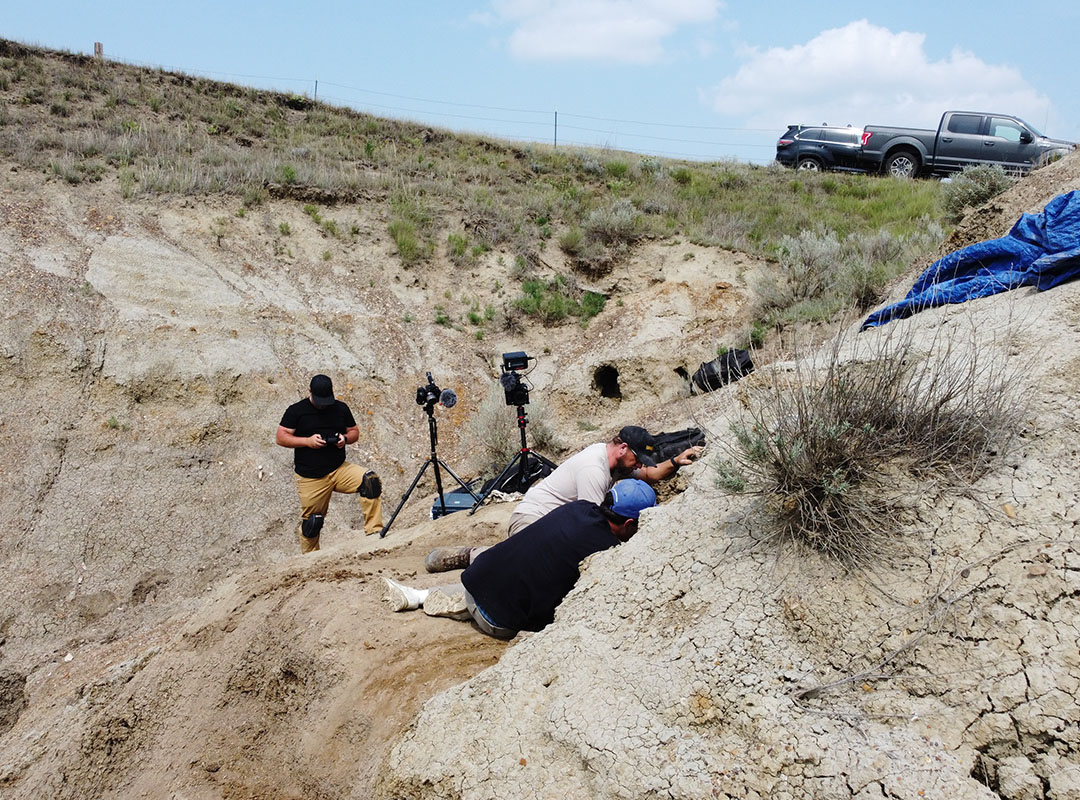
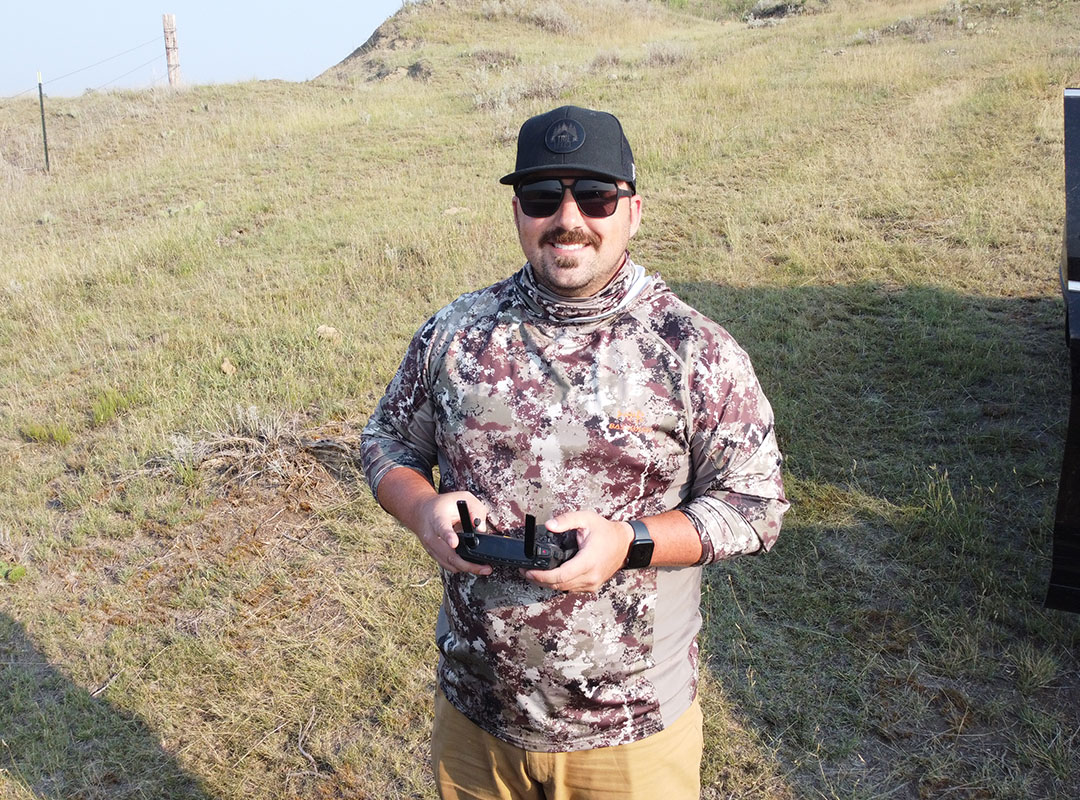
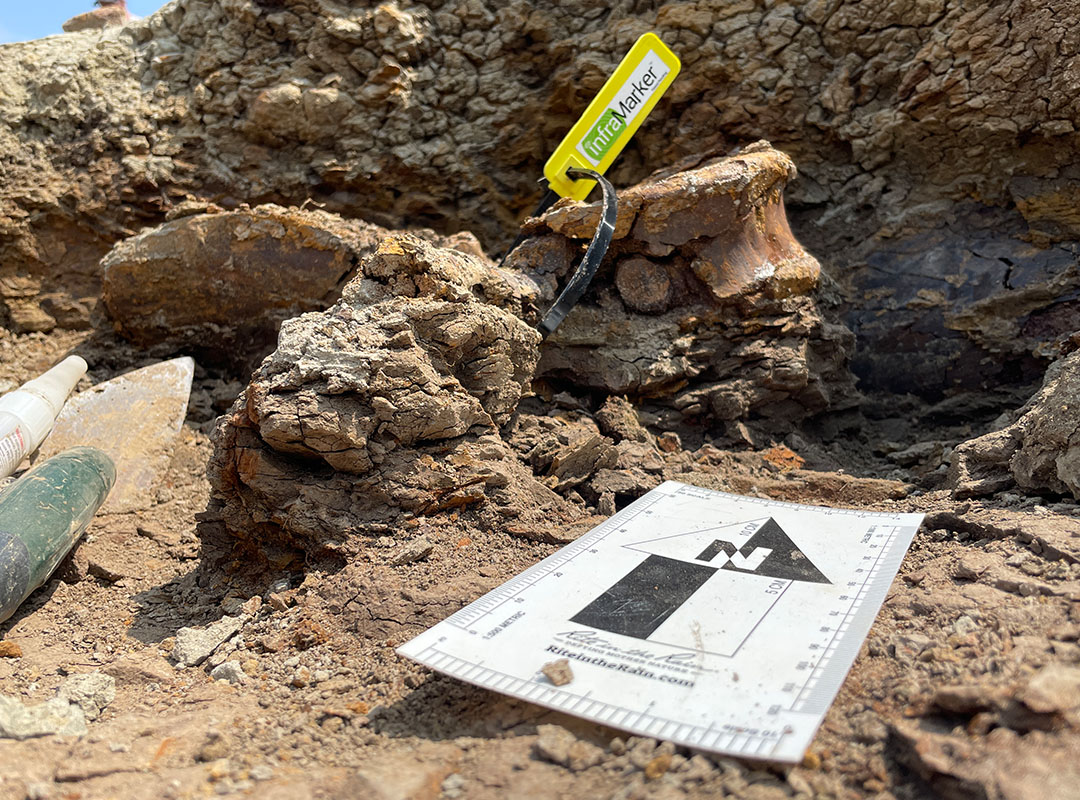
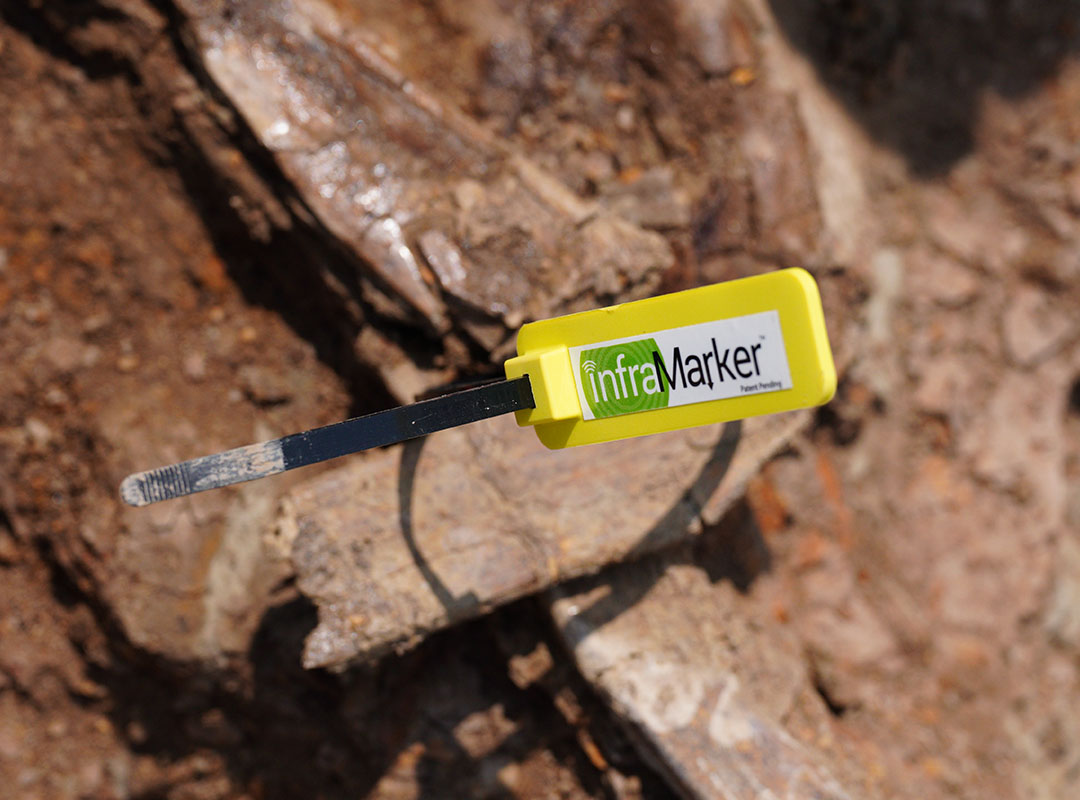
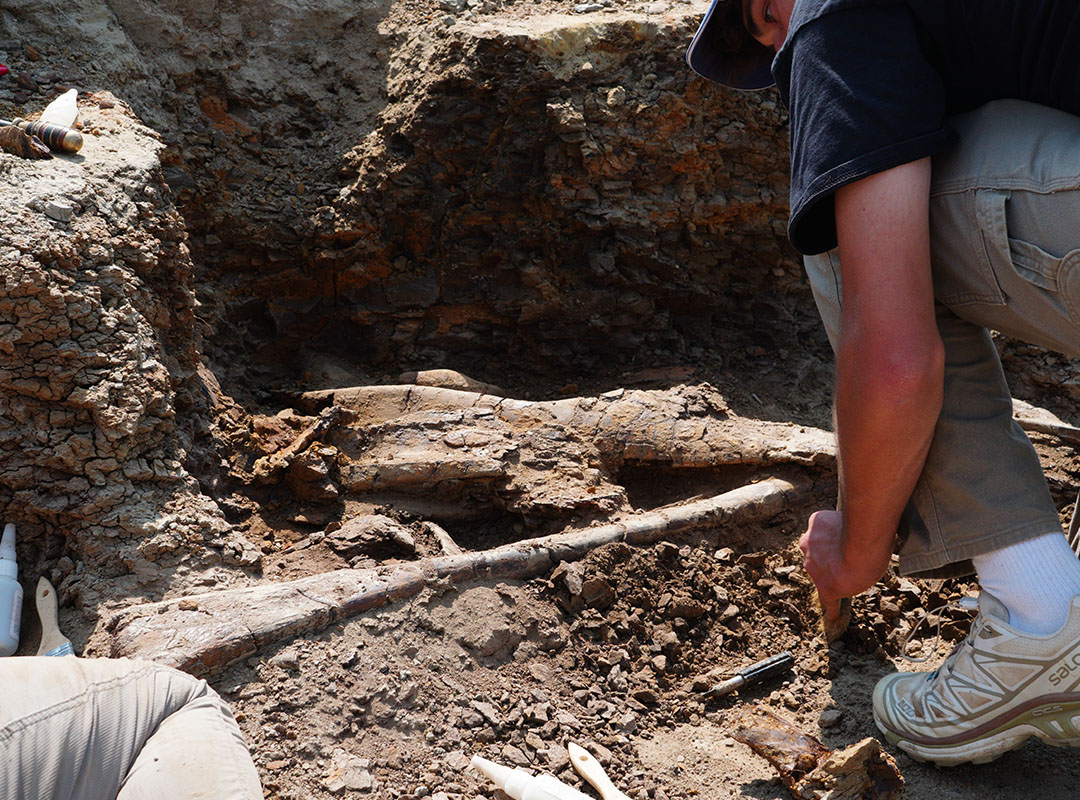
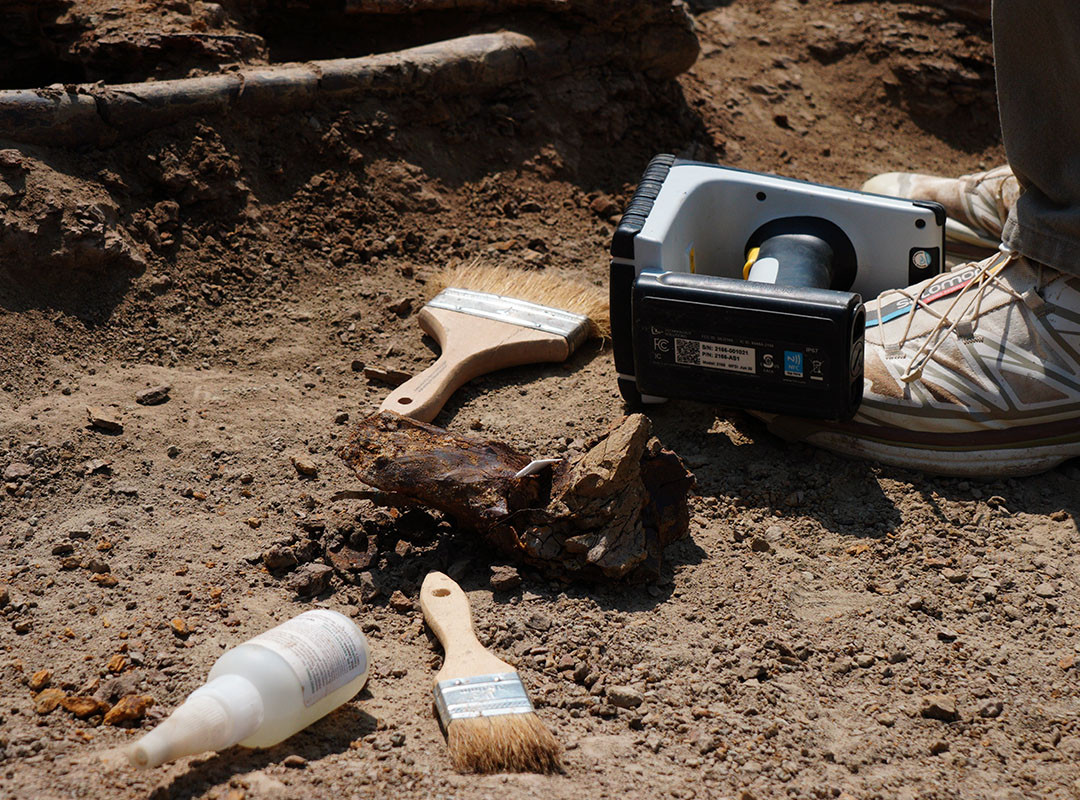
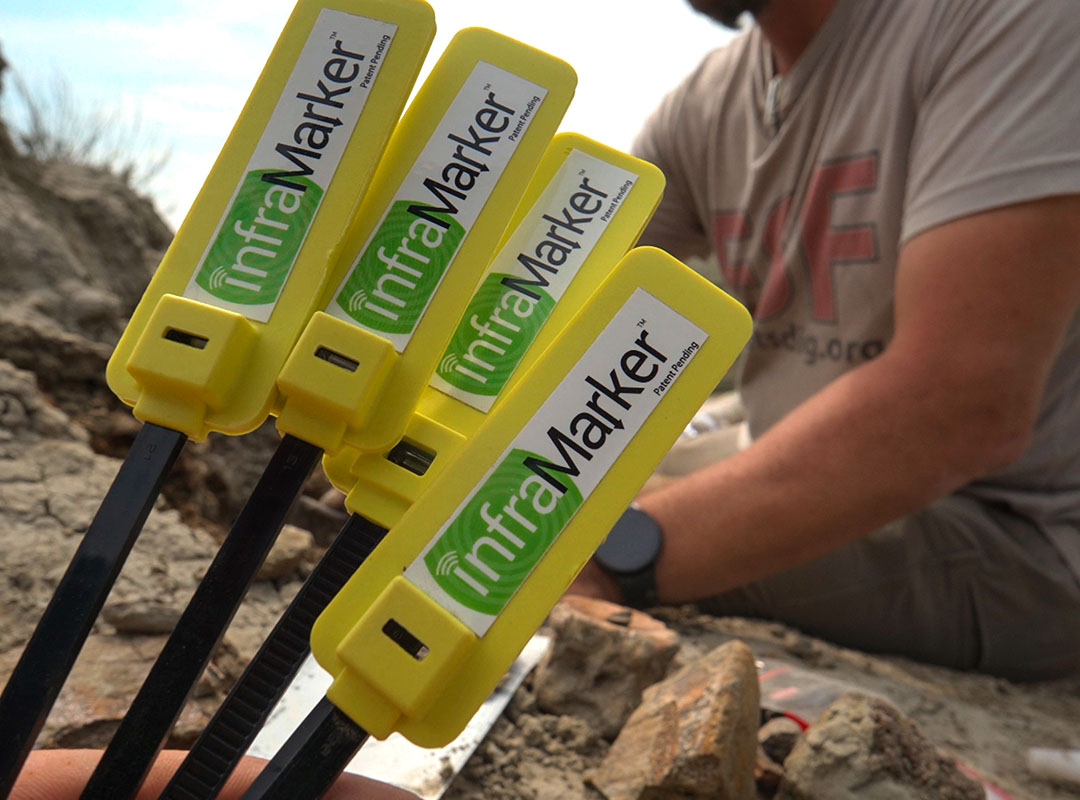
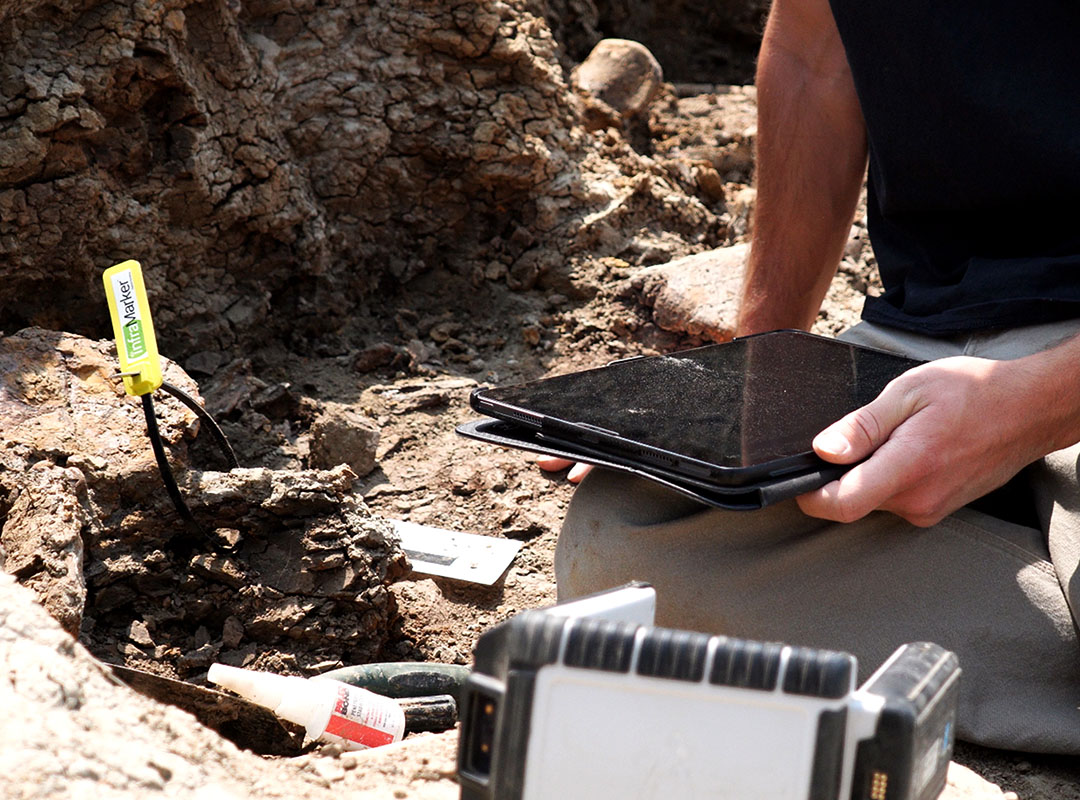
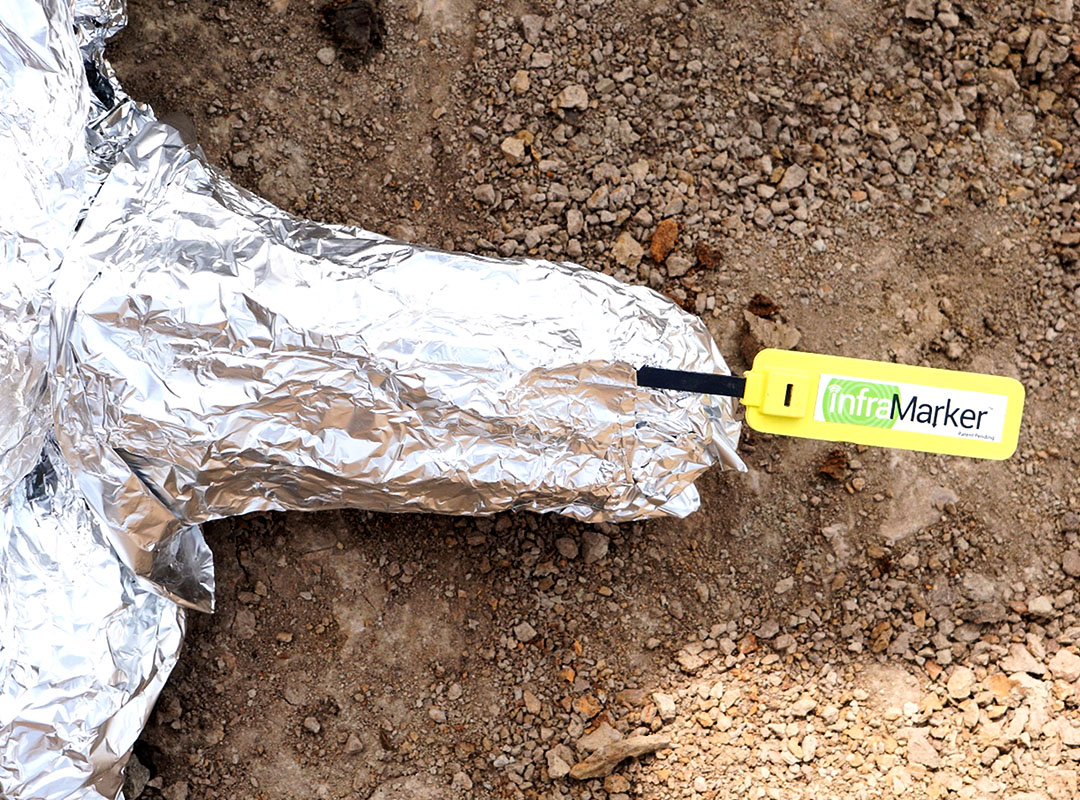
When Tom Hebert, leader of the Earth Sciences Foundation (ESF), sought to revolutionize paleontology and archaeology, he envisioned replacing century-old, error-prone paper logging with a seamless digital trail. By partnering with Berntsen’s InfraMarker team, ESF set out to prove that cutting-edge geospatial tracking and RFID technology could bridge physical specimens to ArcGIS platforms—tracing a fossil’s journey from "dig to display." To capture this historical technology transition, InfraMarker commissioned Trie House Productions. Director and producer Jared Petrie traveled onsite to the Standing Rock Reservation in South Dakota to film, produce, and document the project in action. The resulting case study and video highlight how InfraMarker's underground infrastructure technology successfully adapted to protect irreplaceable ancient artifacts, establishing an auditable, cloud-synced digital record for the Standing Rock Sioux Tribe while demonstrating the versatile power of InfraMarker RFID. Trie House Productions was proud to document this extraordinary blend of ancient history and cutting-edge technology on the Standing Rock Reservation in South Dakota. Hired by InfraMarker, founder and producer Jared Petrie traveled directly onsite to film, edit, and produce this story featuring Tom Hebert of the Earth Sciences Foundation. This video captures the innovative process of installing RFID tags on dinosaur fossils, creating a unique digital footprint for each bone. These RFID-enabled fossils can now be tracked with real-time data—providing critical insights into their origin, location, and condition. It stands as a groundbreaking step in fossil preservation and scientific documentation. Location: Standing Rock Reservation, South Dakota Filmed, Edited & Produced by: Jared Petrie | Trie House Productions Client: InfraMarker (Berntsen International) Featuring: Tom Hebert, Earth Sciences Foundation

Paleontology & Archaeology Industry Challenges
For over a century, field operations in paleontology and archaeology relied heavily on paper index cards, physical ledger books, and hand-written tags. These legacy systems are uniquely vulnerable to weather exposure, human error, damaged labeling, and misplaced records. When paper records degrade or disconnect from specimens stored in vast warehouse drawers or transferred between institutions, the scientific, geographic, and contextual value of the artifact is permanently lost.
The Earth Sciences Foundation’s Challenge
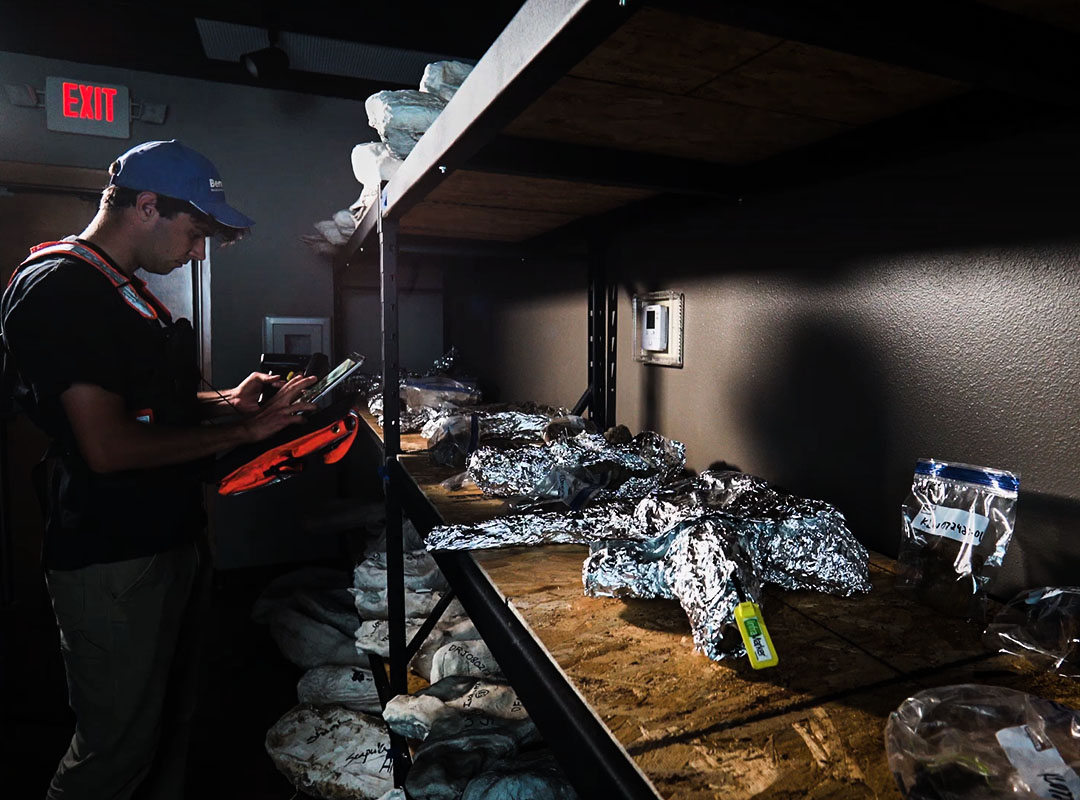
Led by Tom Hebert, ESF was tasked with modernizing field recordation while organizing, cataloging, and securing over 10,000 existing fossils for the Standing Rock Sioux Tribe. The sheer volume of material, paired with harsh environmental conditions in the field, made legacy manual entry far too slow and unreliable. ESF needed a system capable of cataloging discoveries instantly in remote field conditions while giving tribal leaders complete visibility and ownership of their cultural heritage.
InfraMarker’s Market Adaptation Challenge
InfraMarker’s RFID technology and software suite were built and optimized primarily for public works, underground utilities, and civil infrastructure asset tracking. Proving that hardware designed for subsurface pipes and municipal assets could adapt to delicate, irregular, millions-of-years-old fossils was a major hurdle. InfraMarker needed to prove that its tags could survive field conditions, bond safely to organic matrices or specimen bags without damaging fragile bones, and cleanly integrate with ArcGIS Survey123 in a non-utility context.
Paleontology & Archaeology: Established a new gold standard for field preservation, eliminating paper data loss and enabling shared global digital maps for scientific research.
Earth Sciences Foundation & Standing Rock: Secured full digital sovereignty and real-time cloud inventory over 10,000+ tribal fossils, accelerating field workflow speeds by ~80%.
InfraMarker / Berntsen: Successfully expanded their brand footprint beyond civil infrastructure, proving market versatility for RFID and GIS integrations.
Trie House Productions: Delivered a high-impact promotional case study and narrative video that drove brand awareness, dynamic social campaigns, and print collateral across Berntsen’s media channels.

We’ve worked with Trie House for the past few years and have had a great experience. Their team is responsive, knowledgeable, and flexible in adapting to our changing needs. They’ve supported us across our website, digital marketing, video, and social media efforts, and have been a valuable partner in helping us strengthen our overall digital presence. We appreciate their expertise, responsiveness, and continued support.

Other Projects